With Expert Guidance
Here is a brief but helpful overview to help you get started
Studying in Canada
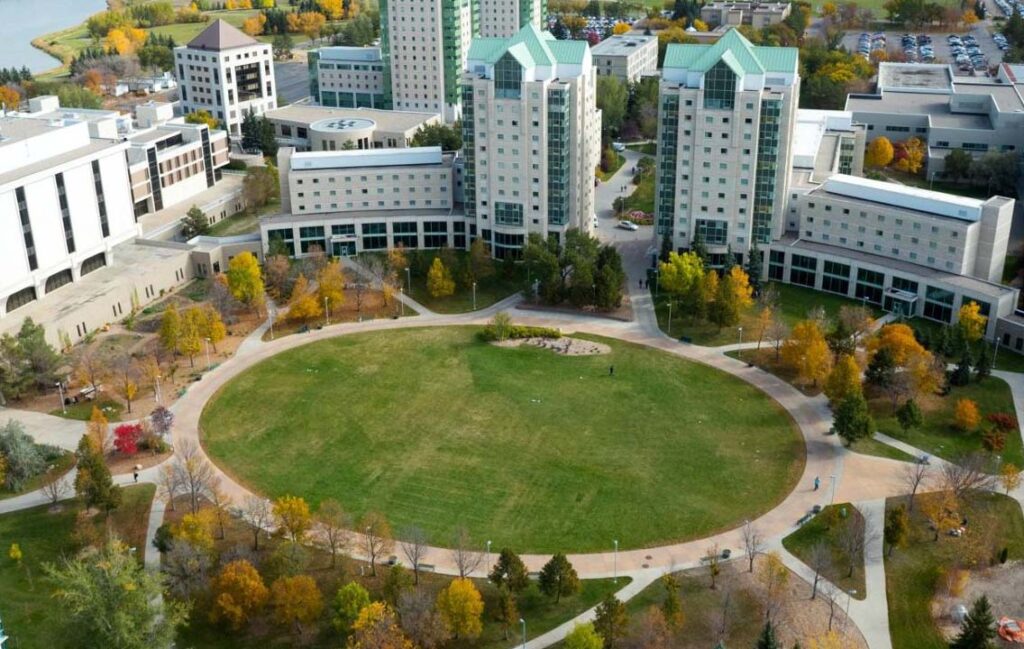
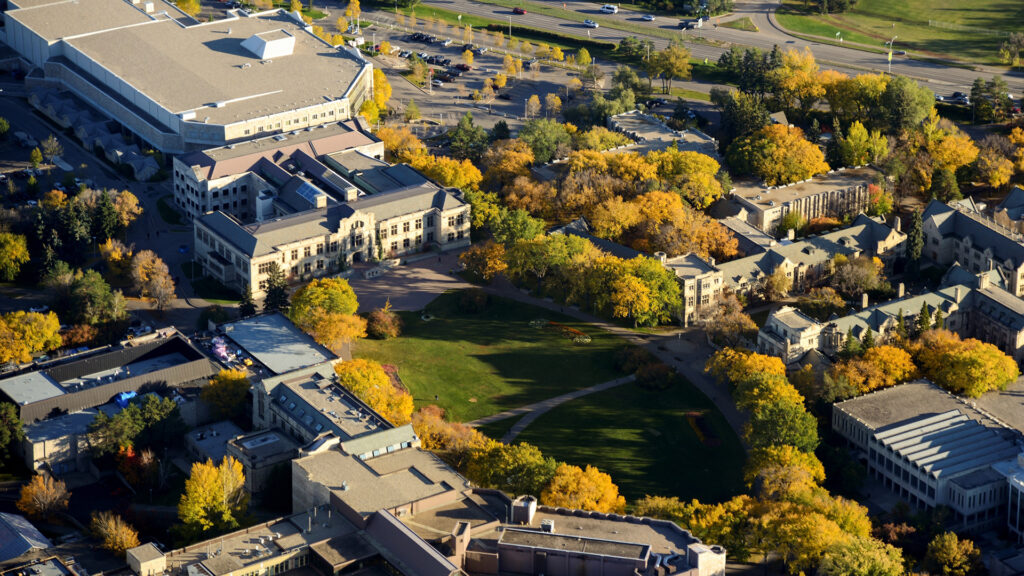
Canada is a country in North America. It’s ten provinces and three territories. Canada stands out as a leading study destination for students who want an internationally respected degree in a friendly and secure country. Its modern cities, natural beauty, and inclusive culture create an inspiring environment for learning and personal growth.
Universities and colleges in Canada provide career-focused programs designed to match today’s global job market. Students benefit from hands-on training, innovative research facilities, and the freedom to select courses based on their interests and future plans.
Another major benefit is the chance to gain professional experience during and after your studies. International students are allowed to work while studying, and after completing their program, they can stay back for a period of time to build their careers. This practical exposure helps them move closer to long-term settlement opportunities.
The application and visa procedures are clear and well-structured, and institutions offer dedicated support for international students at every step. With high academic standards and excellent future prospects, Canada continues to be a smart choice for ambitious learners.
Why Study in Canada?
World-Class Education
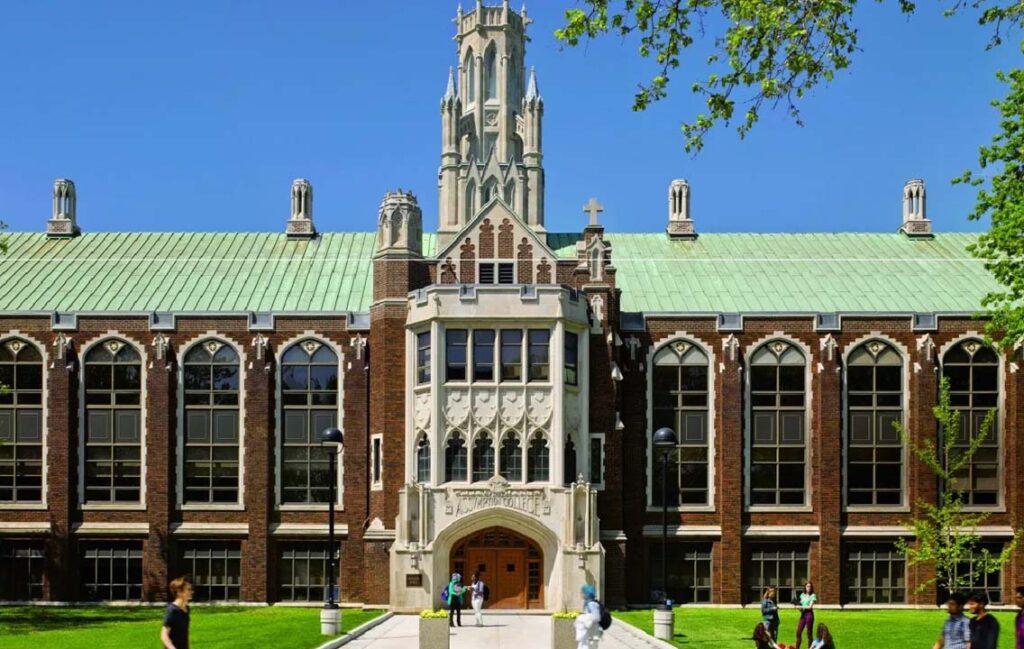
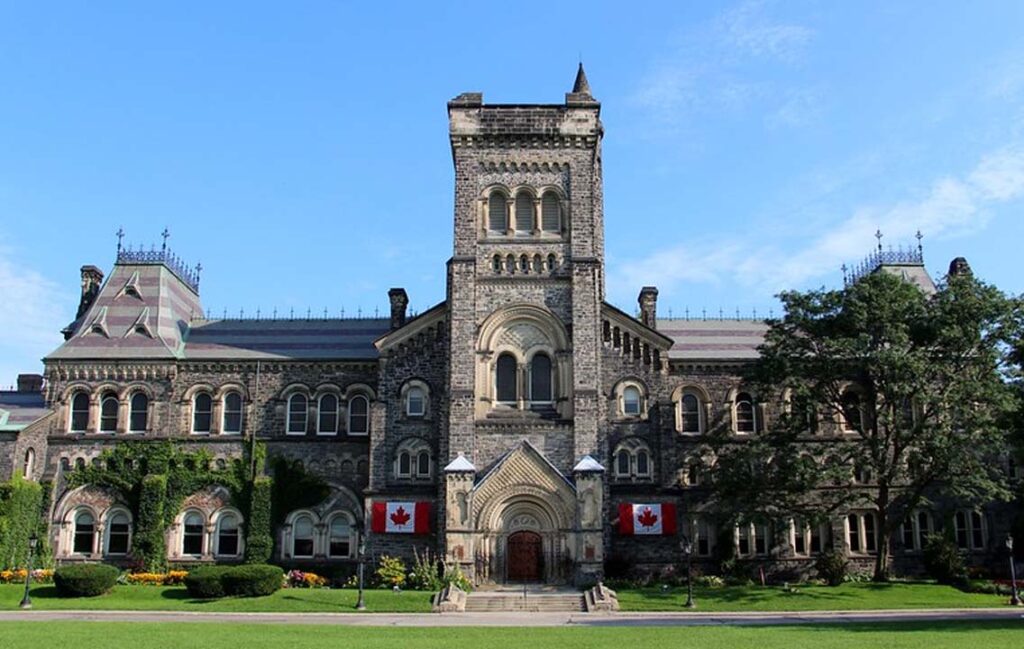
Canada is home to some of the top universities and colleges in the world, offering state-of-the-art facilities and innovative teaching methods. Degrees earned in Canada are recognized globally, ensuring students gain both strong theoretical knowledge and valuable practical skills.
Great Career Opportunities
There is a consistently high demand for skilled professionals across various sectors in Canada, including IT, Engineering, Healthcare, finance, and skilled trades. This strong job market provides students with excellent prospects for finding part-time work during their studies and full-time employment after graduation.
Post-Graduation Work Permit
International graduates from Canadian institutions can apply for a Post-Graduation Work Permit, allowing them to live and work in Canada for up to three years. This valuable opportunity helps them gain professional Canadian work experience and can be a key stepping stone toward applying for Permanent Residence.
Post-Graduation Work Permit
While enrolled in academic programs, international students In Canada, students are allowed to work off-campus for up to 20 hours per week. During official breaks, such as summer or winter holidays, they can work full-time, helping them cover living costs and build practical skills.
Scholarships for International Students
Canada provides a range of scholarships for international students, including prestigious awards like the Vanier Canada Graduate Scholarships and institutional grants.
Community and Culture
Most major universities have active Bangladeshi student associations. These groups are invaluable for new students, helping with everything from navigation and accommodation tips to organizing cultural events.
Post-Graduation Work Permit
While enrolled in academic programs, international students In Canada, students are allowed to work off-campus for up to 20 hours per week. During official breaks, such as summer or winter holidays, they can work full-time, helping them cover living costs and build practical skills.
Scholarships for International Students
Canada provides a range of scholarships for international students, including prestigious awards like the Vanier Canada Graduate Scholarships and institutional grants.
Community and Culture
Most major universities have active Bangladeshi student associations. These groups are invaluable for new students, helping with everything from navigation and accommodation tips to organizing cultural events.
A Clear Pathway to Work and Settlement
One of the biggest draws for Bangladeshi students is the opportunity to build a life in Canada after graduation. This isn’t just about studying; it’s about launching a career. The work experience you gain is your most valuable asset for applying for permanent residence. A significant 57% of international students in Canada plan to apply for PR through programs like the Canadian Experience class.
| Category | Cost Range (CAD) |
|---|---|
| Undergraduate | CAD 18,000 - CAD 35,000 |
| Postgraduate | CAD 17,000 - CAD 38,000 |
| Diploma | CAD 12,000 - CAD 25,000 |
Cost of studying in Canada
For Undergraduate programs, the average tuition fee usually ranges from CAD 18,000 to CAD 35,000 per year. For Postgraduate (master’s) programs, students generally pay between CAD 17,000 and CAD 38,000 annually, depending on the field of study and university. If you choose a Diploma program, the cost is lower, typically around CAD 12,000 to CAD 25,000 per year.
Although studying in Canada is cost-effective, factors like currency exchange rates and yearly fee increases should be considered. To reduce financial pressure, students can apply for scholarships, financial aid, and part-time work opportunities.
| Category | Cost (CAD) |
|---|---|
| Shared Accommodation | 500 – 800 |
| Food & Groceries | 300 – 400 |
| Transportation | 80 – 160 |
| Personal Expenses | 250 – 400 |
| Utilities | 160 – 300 |
Cost of living in Canada
The amount of money you need to live in Canada can change a lot based on which city you pick. For students, the money spent each month usually includes things like a place to live, The average monthly cost is approximately CAD 1290 – 2000.
| Test | Minimum Required Score |
|---|---|
| IELTS | Overall 6 (no band less than 6) |
| TOEFL | Overall 79 |
| PTE | Overall 58 |
| CAE | Overall 169 – 176 |
English Language Test Requirements
As English is one of the official languages of Canada, applicants must prove their proficiency in the language. Canadian universities and colleges accept several standardized English language tests, including IELTS, TOEFL, and PTE.
IELTS: Most institutions require a minimum overall band score of 6.5, with no band less than 6.
TOEFL: The required score is typically 79, with at least: Reading: 13, Listening: 12, Speaking: 18, Writing: 21.
PTE: A minimum overall score of 58 is generally expected, with no communication skill score falling below 50.
Advanced (CAE)/Cambridge English: Minimum score ranging from 169 to 176, with at least 169 achieved in every section.
Visa Requirements
Pursuing your education in Canada is a wonderful adventure, and securing a study permit is your initial step toward that goal. The application procedure is quite simple to follow. First and foremost, you must obtain a letter of acceptance from a recognized educational institution in Canada. Along with this, you will need a current passport and evidence that you have sufficient funds to cover your tuition, daily living costs, and transportation. If you have a sponsor, including their documentation can be very beneficial. Depending on your situation, a health check-up and a police certificate might also be required.
Here is a summary of what you need to prepare:
- Official Acceptance letter from the institution.
- Evidence of financial resources.
- A written Statement of Purpose (SOP).
- A Passport that is still valid.
- Official results on an approved English language test.
- Immigration Medical Examination.
- A police clearance certificate.
Processing Time: Visa applications take 4-8 weeks. It is advisable to apply at least 3-6 months in advance.
| Intake | Application Time |
|---|---|
| September | Apply (January - May) |
| January | Apply (August - November) |
| May | Apply (September - February) |
Intake in Canada
International students can choose from three. Primary Admission Periods in Canada
- September (Fall)
- January (Winter)
- May (Spring)
The September (Fall) intake
The September (Fall) intake is the most popular and competitive, providing Bangladeshi students with the broadest array of universities, programs, and scholarships. Applications open early, and it is advisable to apply between January and May to improve the chances of securing preferred choices.
The January (Winter) intake
The January (Winter) intake is a solid option for those who couldn’t apply for Fall. Although the selection of programs might be smaller, many Canadian universities still offer high-quality courses during this period. Applications should typically be submitted from August to November.
The May (Spring) intake
The May (Spring) intake is available for specific programs and institutions. It’s less common and has fewer course options, but it can work well for students desiring flexibility in their start dates. Applications for intake start dates are usually accepted between September and February.
Because deadlines, available courses, and admission prerequisites vary by university and program, students must confirm that their chosen course is offered in the intended intake. Proper planning and submitting applications early can significantly boost the chances of admission and visa approval.
Top courses to study in canada
The most sought-after study programs for students from Bangladesh include: Business and Management, Engineering, Medicine and Health Sciences, Computer Science, and law. In addition, newer disciplines like Data sciences, Computer science, Artificial Intelligence (AI), and Robotics are becoming increasingly popular and offer promising career paths. Canada provides an ideal mix of high-quality education and practical, job-focused training, making it a top choice for students who want to study and later work in the country. Programs in computer science and Information Technology are especially popular, with specialized studies in software development, cyber security, and cloud computing preparing graduates for well-paying roles in the tech sector. Engineering fields—such as mechanical, civil, electrical, and software engineering—are also in great demand. Universities across Canada provide excellent research opportunities and co-op programs, allowing students to gain practical experience while they study.

| Program | |
|---|---|
| Computer Science & Information Technology | Mechanical Engineering |
| Civil Engineering | Electrical Engineering |
| Healthcare & Nursing | Software Engineering |
| Media & Communications | Business Management |
| Hospitality & Tourism Management | Finance |
| Environmental Science | Marketing |
| Renewable Energy | Data Science & Artificial Intelligence |
How Global Academy Hub Assists You in Studying in Canada
Our process starts with helping you identify the ideal university for your needs. After you have made your choice, we will guide you in picking the most suitable academic program that aligns with your interests. Following that, we provide support throughout the application process, which includes assistance with your Statement of Purpose (SOP) and required paperwork.

Since the admission procedure can be complex, we take care to examine your documents and correspondence thoroughly to prevent any errors or false information. Upon receiving an offer from your chosen institution, we help you fulfill all visa requirements. Once your visa has been approved, we continue to support you by aiding with other preparations to ensure a seamless transition. Global Academy Hub is committed to assisting students from Bangladesh in every possible manner.
How to Study in canada

Research Programs

Take Language Tests

Prepare Documents

Apply to Universities

Accept an Offer

Apply for Visa

Prepare for Departure
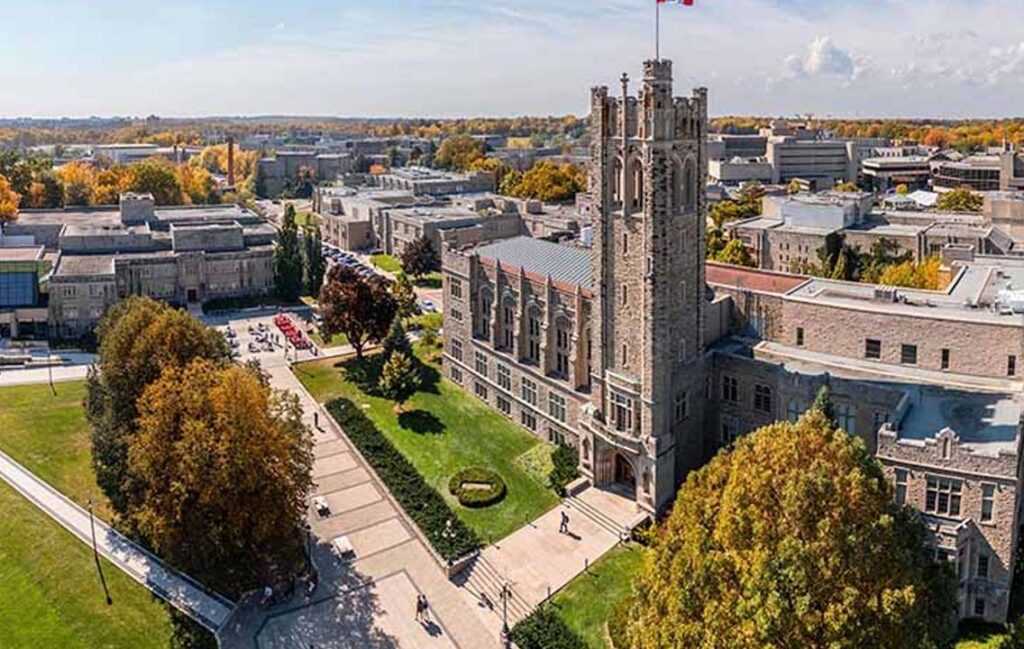
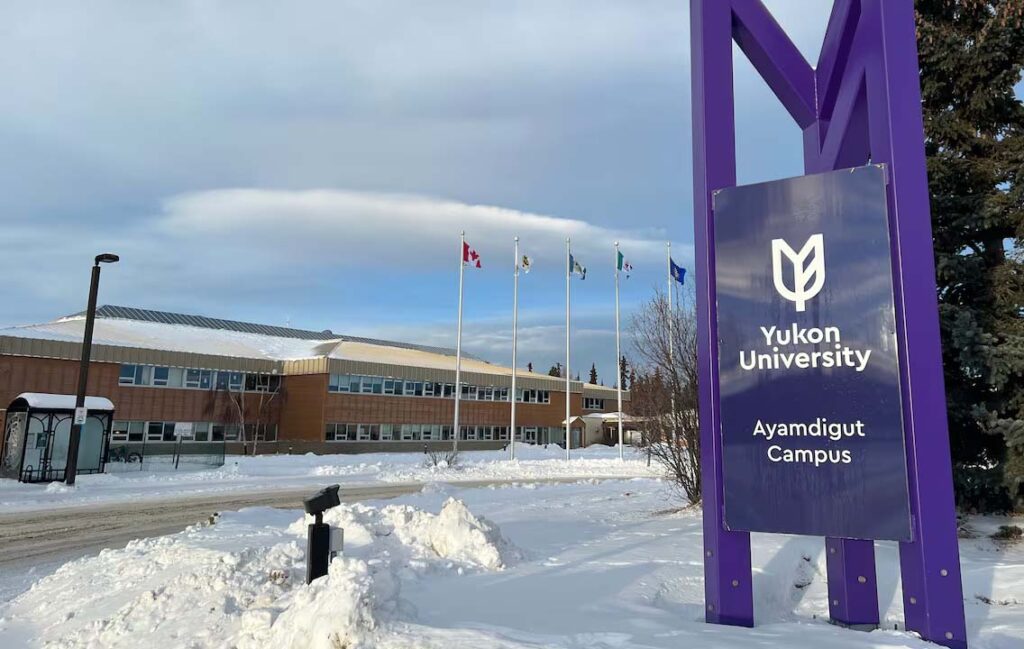
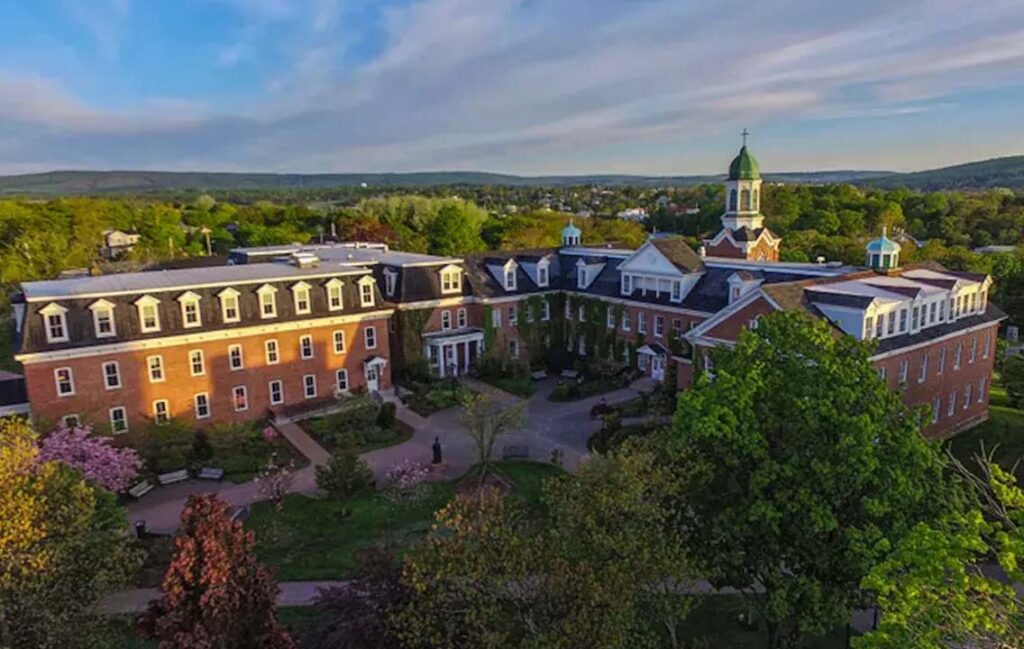
Top Universities in CANADA
Find the best university to shape your future with globally recognized institutions.
Contact Us for any Query
Get Personalized Counseling
Talk to an expert student advisor & get personalized guidance.